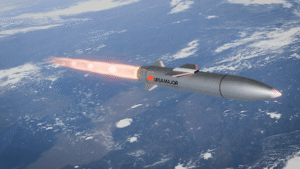
Ursa Major unleashes HAVOC with new hypersonic missile
Ursa Major's new CEO Chris Spagnoletti told Breaking Defense that the company's new hypersonic weapon could cost $3 million a piece.
Ursa Major's new CEO Chris Spagnoletti told Breaking Defense that the company's new hypersonic weapon could cost $3 million a piece.

The services’ unfunded requests, obtained by Breaking Defense, reflect sharp increases compared to last year.

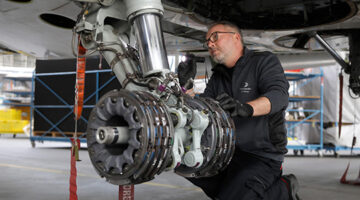
A commitment to long-term operational value.

Army leaders also discussed the future of their non-hypersonic long-range missile options, including tests planned for a newer munition.

The aerospace titan wants to combine decades of detailed engineering data and test results with cutting-edge AI analysis to work out bugs in its designs before it builds them.

The test’s results could determine the ultimate fate of the Air-launched Rapid Response Weapon, or at least help "further a range of hypersonic programs."

Air Force Secretary Frank Kendall last year said the service was “more committed” to the Hypersonic Attack Cruise Missile than the service’s other fast-flying design, the Air-Launched Rapid Response Weapon.

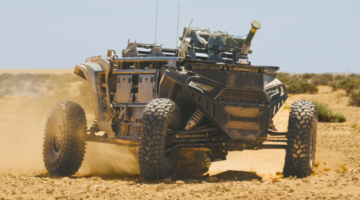
One commander, many robots: Fully autonomous ground vehicles are reshaping the battlefield.
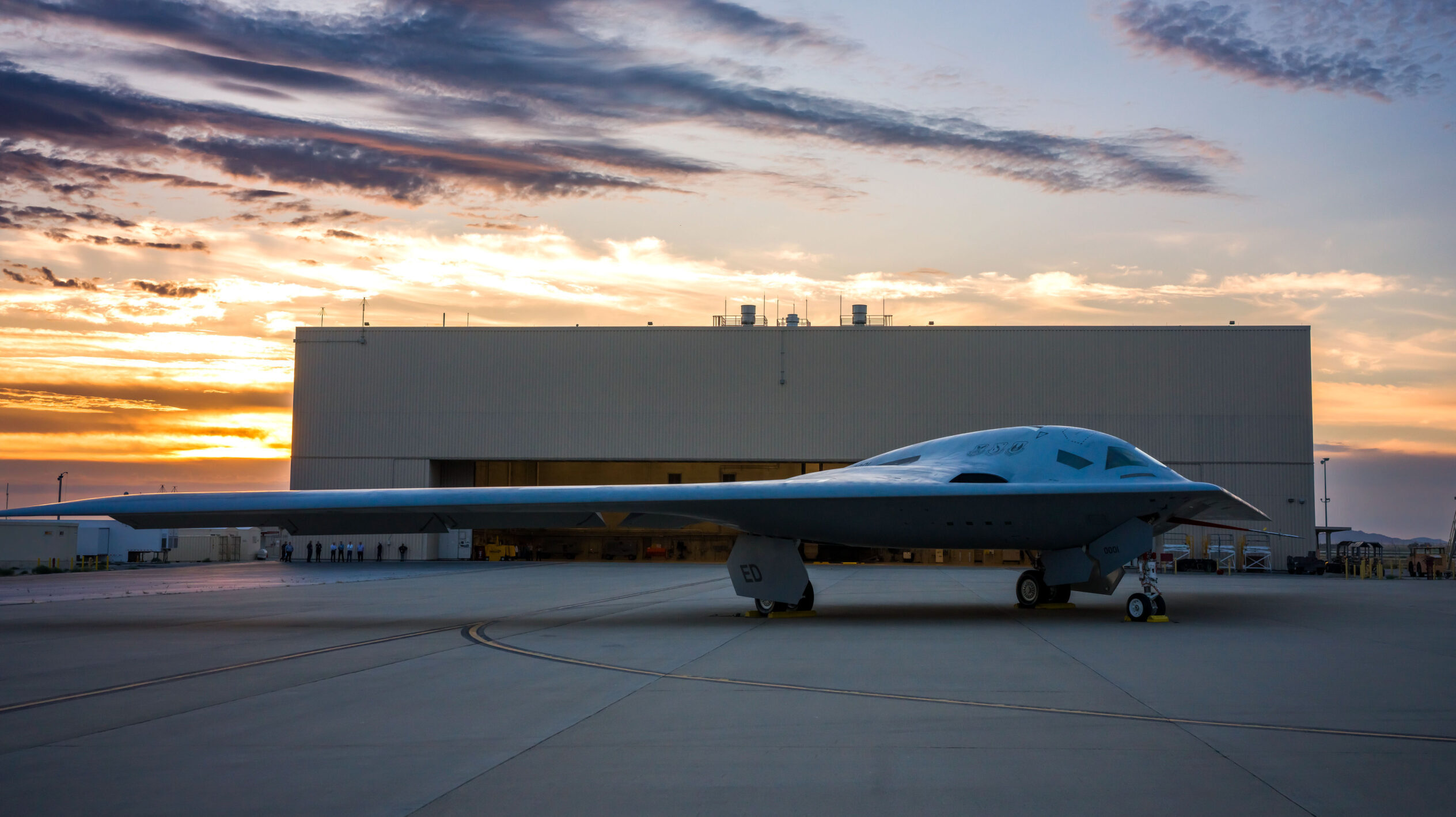
“We're very, very fixated on being competitive with the pacing challenge [of China],” said Air Force Secretary Frank Kendall. “I think the budget that we've submitted moves us forward — not quite as fast as we would like to, but it moves us forward in the right direction while maintaining current capabilities that are essential to the nation.”

The Air Force fired another all-up round test of the Lockheed Martin-made ARRW, but like a previous test that a top official later admitted fell short of its goals, the service won’t claim that this test met all its objectives.

Despite confidence from the Air Force secretary that Congress would greenlight the F-22 divestments, lawmakers are once again inclined to keep the fighters around.

Air Force Secretary Frank Kendall told lawmakers Thursday that the service will make a decision on buying the hypersonic weapon after its prototyping phase concludes, a position seemingly at odds with testimony previously provided by the service’s acquisition lead.

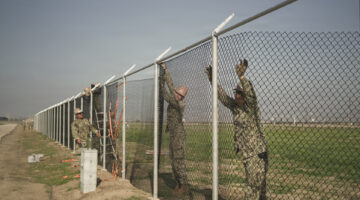
Traditional thinking about how to protect facilities must adapt to new threats such as drones or downstream attacks.
The news comes after the Air Force’s top civilian revealed Tuesday that the missile’s most recent all-up-round test “was not successful” but stopped short of saying the service wouldn’t buy it.

Following a recent disclosure by the Air Force that suggested the new hypersonic missile came up short during testing, Secretary Frank Kendall told lawmakers the service was "more committed" to another hypersonic program.
An Air Force press release said that the missile was launched in a second all-up-round test and met “several objectives,” but conspicuously left out claims of overall success.
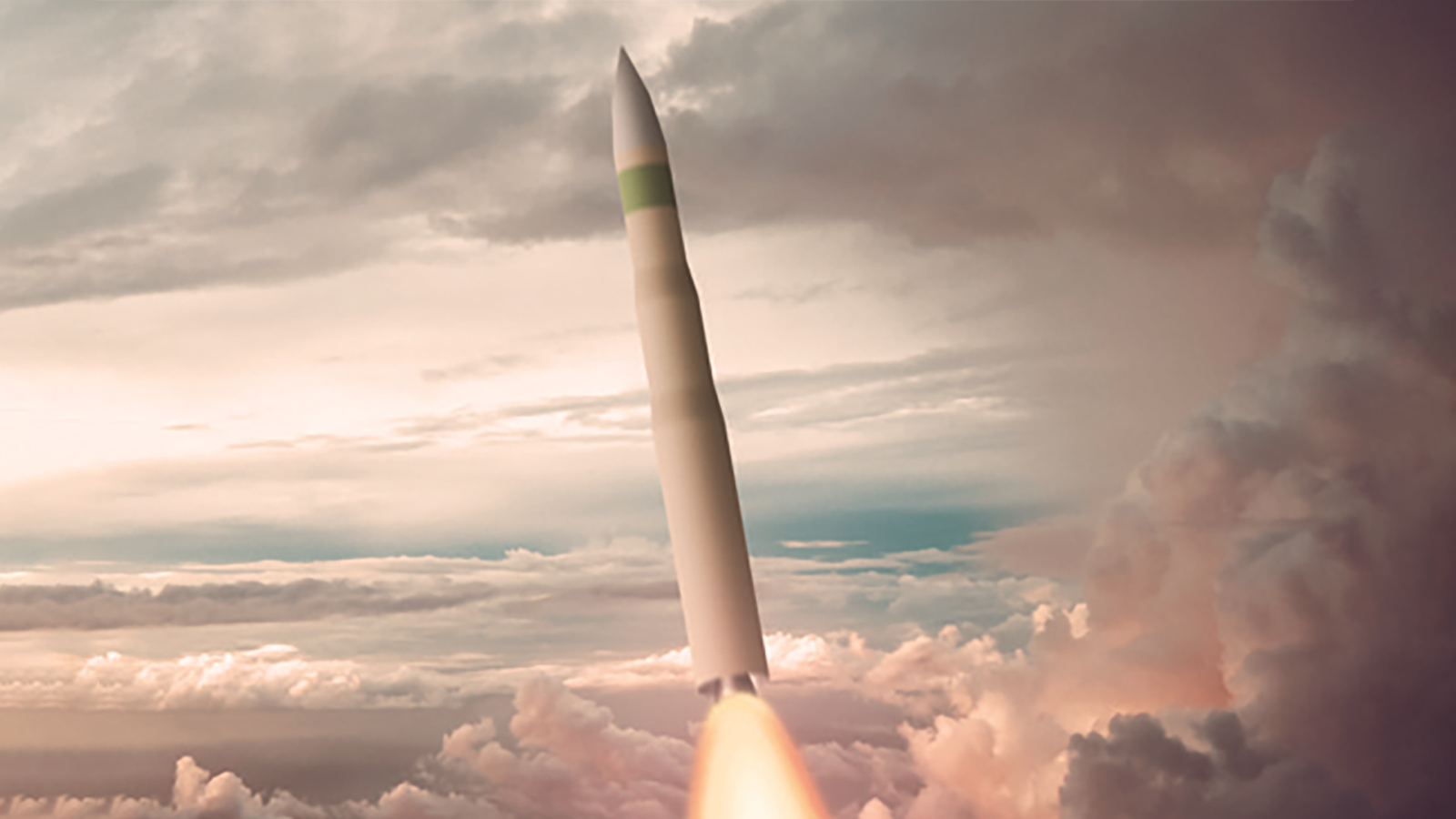
Seeking to pivot to a new generation of air power by fielding platforms like the Next Generation Air Dominance Fighter, the Air Force is planning significant investments into future technologies, according to service budget documents, which also show that fiscal 2024 could be a turning point for hypersonics.